Selecting the Perfect Roofing Contractor: Critical Questions to Inquire Before You Hire
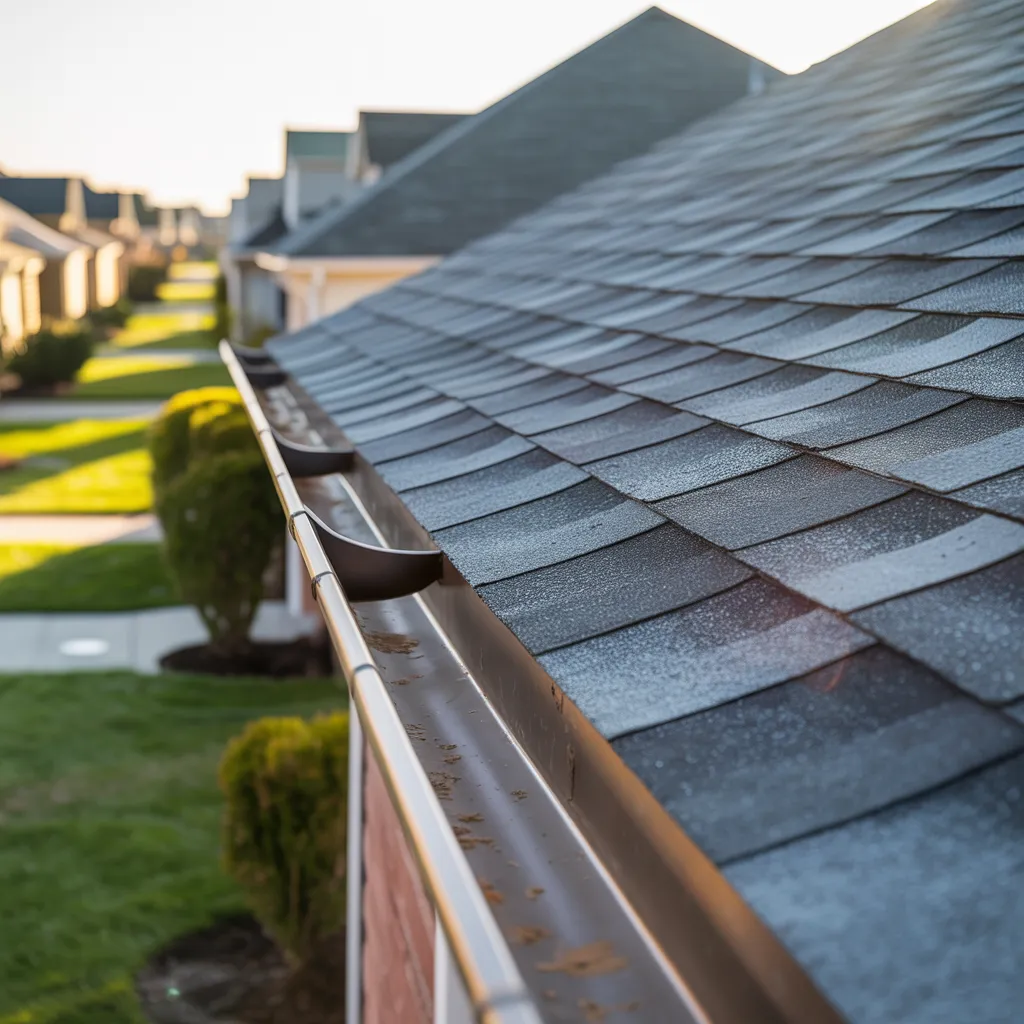
Selecting the right roofing contractor is a important decision for homeowners. Numerous factors influence the quality of work and overall satisfaction. Credentials, expertise, and warranties are just a few of the vital aspects to take into account. By asking the appropriate questions, homeowners can clarify expectations and guarantee a smooth process. However, understanding these elements is only the beginning. What particular inquiries should be emphasized to prevent future complications?
What Certifications Create a Excellent Roofing Contractor?
What core criteria should one scrutinize when appointing a roofing contractor? A established contractor should display proper licensing and insurance, substantiating consistency with local regulations and protection against obligation. tenure in the industry is vital; seasoned contractors are more suited to handle unexpected challenges capably. Additionally, a credible portfolio unveiling previous work provides perception into their construction quality and style.
Certifications from suppliers can demonstrate proficiency in particular roofing systems, while involvement in industry organizations often reflects dedication to standards and ongoing training. Another key element is references; positive feedback from satisfied clients can give assurance of a roofer's dependability and expertise. Finally, a transparent, comprehensive written quote specifying extent, materials, and schedules is critical for clarity and making educated choices. By evaluating these qualifications, homeowners can choose a roofing contractor who fulfills their needs and ensures a successful project.
Steps for Checking a Roofing Contractor's Professional Record?
In what ways can homeowners validate that a roofing contractor possesses a reliable reputation? One successful way is to locate online reviews and testimonials. Websites such as Google, Yelp, and Angie's List frequently provide insights into past clients' experiences. Homeowners should likewise check the contractor standings with the Better Business Bureau (BBB) to recognize any complaints or unresolved issues.
Furthermore, obtaining references straight from the contractor can provide a clearer picture of their reliability and workmanship. Speaking with past customers allows homeowners to assess satisfaction and the contractor's responsiveness to issues.
In addition, it's beneficial to confirm any qualifications and professional certifications, as these often denote a devotion to industry best practices. Finally, liaising with local building authorities can convey specifics on the contractor's licensing and insurance status, further reinforcing their reputation within the community.
Important Roof Warranty Classifications You Need Know
Understanding the different varieties of roofing warranties is vital for homeowners considering a roof replacement or installation. Generally, there are two types of warranties: manufacturer warranties and workmanship warranties. Manufacturer warranties protect defects in materials, typically lasting between 20 to 50 years, depending on the roofing material. These warranties assure that if the roofing material fails prematurely, the manufacturer will provide a replacement for it.
Conversely, labor guarantees are issued by the roofing contractor and protect the quality of the installation. These guarantees can span from one to ten years. It's necessary for property owners to determine the conditions and terms of each type, as they may possess restrictions or exceptions. Additionally, recognizing whether the warranty is transferable can substantially influence property values in the future. Subsequently, homeowners should thoroughly review and discuss warranty options with their potential roofing professional to guarantee comprehensive protection.
Reviewing Roofing Contractor Price Alternatives?
When evaluating roofing contractor pricing choices, homeowners often question which factors influence the overall cost. Key components include the type of roofing options chosen, as upscale options like slate or metal typically generate higher expenses compared to asphalt shingles. Labor costs also hold a significant importance; experienced contractors may charge more but provide better craftsmanship. Additionally, the complexity of the roof layout sways pricing; steep or multi-layered roofs require more labor and safety measures. Homeowners should also factor in regional price gaps, as market demand and local regulations can shape costs. It is advisable to collect multiple quotes to assess pricing structures and guarantee openness. Finally, reviewing the contractor's background and past projects can deliver insight into whether the pricing shows quality work and products. Understanding these factors can enable homeowners reach informed decisions that align with their budget and roofing requirements.
Safety Standards Roofing Contractors Should Follow
Choosing a roofing contractor demands careful attention to their adherence to safety standards. Compliance with OSHA regulations, the implementation of personal protective equipment, and the launch of safety training programs are essential factors that ensure worker safety on the job site. Understanding these requirements can help homeowners make sound choices about their roofing contractors.
OSHA Adherence Requirements
Roofing contractors must observe specific OSHA compliance requirements to secure safety on job sites. These rules are designed to minimize hazards associated with roofing work, which often involves heights and heavy materials. Contractors are required to implement fall protection systems, including barriers, safety nets, or personal fall arrest systems when necessary. Additionally, they must confirm that all employees are trained in recognizing and avoiding potential safety risks. Proper scaffolding and ladder use, as well as safe handling of materials, are also vital components of OSHA compliance. Regular inspections and maintenance of equipment are required to copyright safety standards. By following these rules, roofing contractors not only protect their workers but also boost overall project efficiency and integrity.
Individual Safeguarding Equipment
Correct use of PPE is important for roofing contractors to guarantee safety on the job site. Contractors must make certain that their teams are outfitted with hard hats, safety glasses, and gloves to protect against falling debris and sharp objects. Additionally, harnesses and fall protection systems are important when working at heights, minimizing the risk of serious injury. Steel-toed boots provide vital foot protection, while high-visibility clothing helps increase worker visibility, especially in busy areas. It is also imperative that contractors consistently inspect and maintain this equipment to ensure its effectiveness. By complying with PPE standards, roofing contractors can greatly reduce workplace hazards and create a safer environment for their crew.
Safety Training Programs
Proper protection training sessions are important for ensuring that roofing contractors maintain safety standards at work sites. These courses deliver important understanding to workers about hazards, proper use of equipment, and emergency measures. A comprehensive training plan ought to address fall protection, ladder safety, and material handling, as well as additional topics. Consistent refresher classes are necessary as they reinforce safe habits and accommodate evolving industry benchmarks. Contractors should be able to provide documentation of their training courses, including certifications and ongoing education initiatives. Clients must question the regularity and depth of these training courses, as compliance with safety standards directly influences the health of workers and project deadlines. Emphasizing safety training shows a contractor’s dedication to professionalism and quality workmanship.
Establishing Clear Communication With Your Roofing Contractor
Creating transparent communication with a roofing contractor is important for a project to succeed. Communication clarity helps to set expectations and reduces misunderstandings that might result in unnecessary delays or errors. Homeowners ought to begin by discussing time expectations, budget limits, and necessary materials. It is crucial for the contractor to offer detailed proposals and updates throughout the project.
Frequent meetings can guarantee that the project remains on track and that any issues are addressed promptly. Homeowners should feel comfortable asking questions and asking for clarification on technical terms or processes.
In addition, creating chosen communication methods—whether via phone, email, or in-person meetings—can improve joint effort. Documenting conversations and agreements in writing can also serve as a resource. Ultimately, open lines of communication build a favorable professional relationship, ensuring that both parties are in sync and happy with the outcome of the roofing project.
Frequently Posed Questions
What Kinds of Roofing Solutions Do You Advise and Why?
The contractor suggested asphalt shingles for affordability and durability, metal for extended lifespan and reduced energy costs, and slate for aesthetic appeal and lifespan. Each material offers distinct advantages, catering to different homeowner requirements and choices.
What's Your Approach to Handling Unexpected Issues During the Project?
The contractor stressed proactive communication, explaining unexpected issues candidly with clients. They mapped out potential solutions and modifications to timelines or budgets, guaranteeing clients felt informed and confident throughout the project's progression despite unforeseen challenges.
Would you be able to deliver a detailed timeline for the Roofing Project?
A reputable contractor will present a detailed timeline detailing each project phase, featuring start and end dates. This plan guarantees transparency and enables homeowners maintain expectations while enabling interaction throughout the roofing process.
Are You Knowledgeable With My Particular Type of Roof?
The contractor confirmed impressive expertise with different roofing Premier Roofing & Exteriors types, including the specific material in question. Their portfolio displayed many completed projects, demonstrating skill and a commitment to quality, thereby instilling confidence in prospective customers.
What Approach Do You Follow for Cleanup After the Project Is Done?
The contractor explained a thorough clean-up procedure, featuring routine debris clearing, final reviews for leftover materials, and correct waste handling. They highlighted maintaining a clean worksite to ensure safety and client satisfaction across the whole project.
In final thoughts, we have analyzed the primary concepts introduced throughout this article.
In summary, selecting the appropriate roof contractor demands thorough evaluation and thorough questioning. By assessing qualifications, confirming track record, understanding warranty options, evaluating pricing options, ensuring safety compliance, and promoting transparent dialogue, homeowners can make informed decisions. Following this approach not only safeguards the quality of the roof work but also improves confidence throughout the process. Finally, a well-chosen professional can result in a accomplished and gratifying roof project.